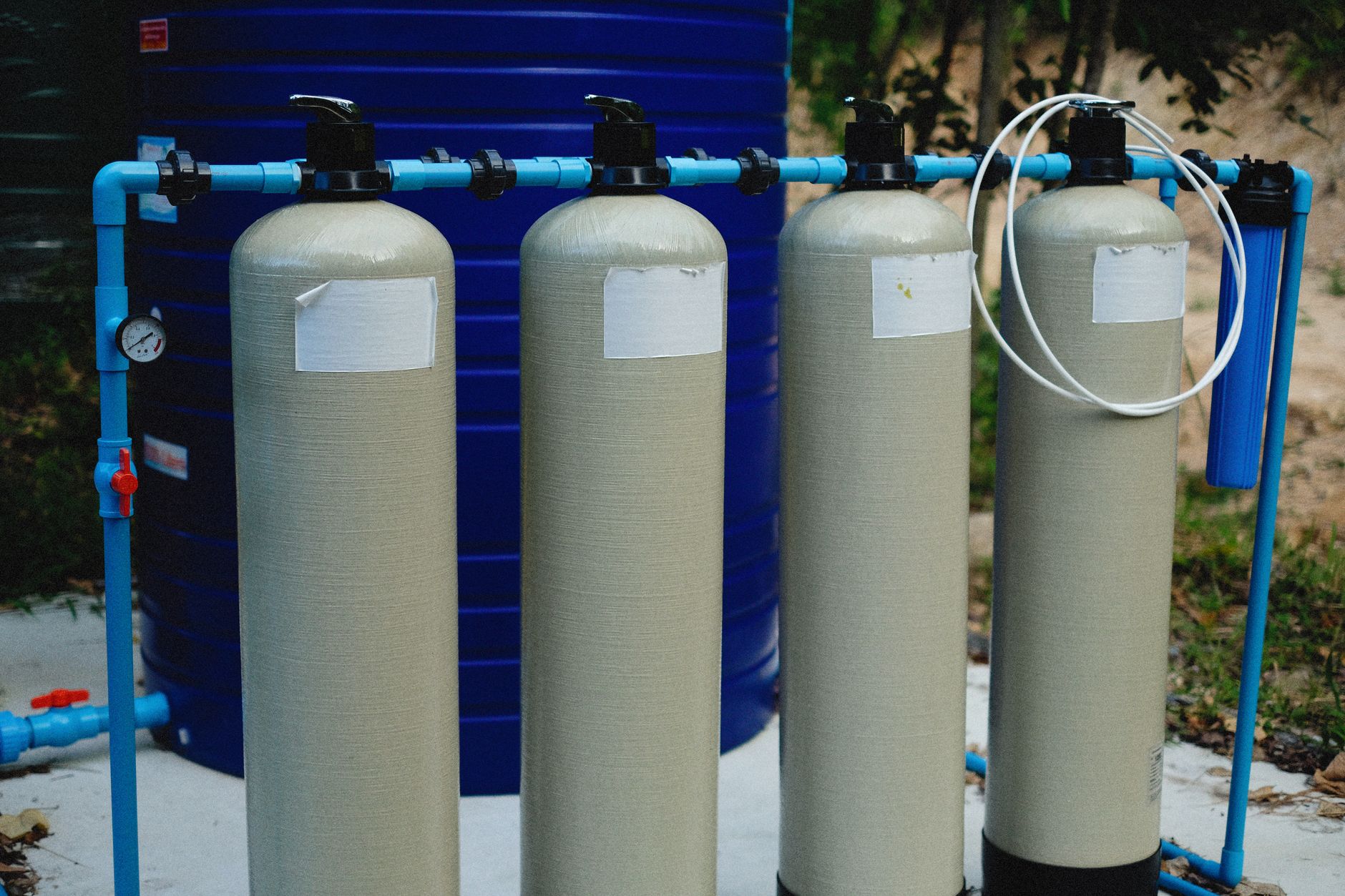
A desalination plant is planned for Dholera to supplement its Narmada-pipeline water supply, but as of 2026 it remains at the feasibility-study stage and is not built. What is operational today is different: the Activation Area already has a water treatment plant of about 50 MLD, reservoirs, potable water with smart metering and leak detection, and a recycled-water network. Long-range water security for a coastal industrial city is a genuine planning challenge, which is why desalination is on the list. But anyone describing a working Dholera desalination plant is describing a plan, not a fact. The honest position is a proposed plant under study, alongside a treated-water system already running.
Water is one of the hardest problems for any coastal industrial city, and Dholera is no exception. A semiconductor fab and large-scale manufacturing need enormous, reliable volumes of clean water, and the region sits on flat, low-lying coastal land where groundwater is not a dependable answer. That is the backdrop to the frequently mentioned Dholera desalination plant. This page gives the honest, sourced status: the desalination plant is planned and still under study, while a separate set of water systems is already operational in the Activation Area. The two should not be confused.
The short answer
There is no operating desalination plant at Dholera. A desalination facility has been reported among the planned additions to supplement the region's Narmada-pipeline water supply, but it remains at the feasibility-study stage. What is genuinely live is the Activation Area's water infrastructure: a water treatment plant of about 50 MLD, reservoirs, a potable-water network with smart meters and leak detection, and a recycled-water system. So the correct reading is a proposed desalination plant under study, not a built asset.
What is planned versus what is running
In February 2025 it was reported that planned Dholera facilities include a school, a hospital, a fire station and a desalination plant to supplement the Narmada-pipeline water supply. The desalination component was described as remaining under feasibility study, while the treated-water network was already operational in the Activation Area. That single report captures the distinction cleanly: desalination is a future option being evaluated, and it sits on top of a water system that already works for the region's first phase.
- Desalination plant: planned to supplement supply, reported still under feasibility study. No capacity or timeline is reliably sourced.
- Narmada pipeline: the region's primary bulk-water source, the durable backbone of current supply.
- Water treatment plant: about 50 MLD, operational in the Activation Area, with reservoirs.
- Potable network: piped supply with smart metering and leak detection.
- Recycled water: a separate treated-water network for non-potable use, reported operational.
| Element | Status (2026) | Notes |
|---|---|---|
| Desalination plant | Planned / feasibility | Reported Feb 2025; capacity and timeline not sourced |
| Narmada-pipeline supply | Operational | Primary bulk-water source |
| Water treatment plant | Operational | ~50 MLD, Activation Area, with reservoirs |
| Potable-water network | Operational | Smart meters, leak detection |
| Recycled-water network | Operational | Non-potable reuse |
| Wastewater / effluent lines | Operational | Part of Activation Area utilities |
Why desalination is on the list at all
The logic for eventually adding desalination is straightforward. Dholera is planned to grow into a very large industrial and residential region, and its heaviest tenants, chip fabrication and advanced manufacturing, are water-intensive. Relying on a single pipeline for a city of that eventual scale would be a concentration risk, and the coastal location makes seawater desalination a natural candidate for a second, independent source. Treating and reusing water, which the Activation Area already does, reduces demand, but at full build-out the planners clearly want more resilience than one source provides.
It is also worth being honest about the constraint behind this. The region sits on flat, low-lying Bhal coastal land near the Gulf of Khambhat, with tidal flats and a large Coastal Regulation Zone share, and drainage and water management are documented planning challenges. Desalination is one answer to long-range water security, but the fact that it is still a study, not a project, is itself a useful signal about how much of Dholera's water future is settled. For the fuller picture, see our water infrastructure and smart-city utilities pages.
How to track it going forward
The useful way to follow the desalination question is not to wait for a single announcement but to watch for a feasibility study converting into an awarded contract with a stated capacity and location. Until that happens, the desalination plant should stay in the planned column. Meanwhile, the operational water systems in the Activation Area are the real, current story, and they are what actually serve the first phase today.
Frequently asked questions
Does Dholera have a desalination plant?
Where does Dholera get its water now?
What is the capacity of the Dholera desalination plant?
Why does Dholera need desalination?
Is Dholera's water infrastructure working today?
Dholera 2047. (2026). Dholera Desalination Plant: Planned, Not Yet Built. Retrieved 23 July 2026, from https://dholera2047.com/dholera-desalination-water-plantSources & references
- Dholera 2047 Fact Pack (verified July 2026)
- DeshGujarat, 21 February 2025 (planned school, hospital, fire station, desalination under feasibility)
- DICDL official interview, 2024 (Activation Area water treatment ~50 MLD, potable and recycled networks)
- dholera.gujarat.gov.in (Narmada-pipeline supply, utilities)
- Dholera 2047 pillar pages: water infrastructure, smart-city utilities
Dholera 2047 labels facts by confidence. Figures marked reported or target come from press or announcements and may change; verify anything time sensitive against the official source before acting.