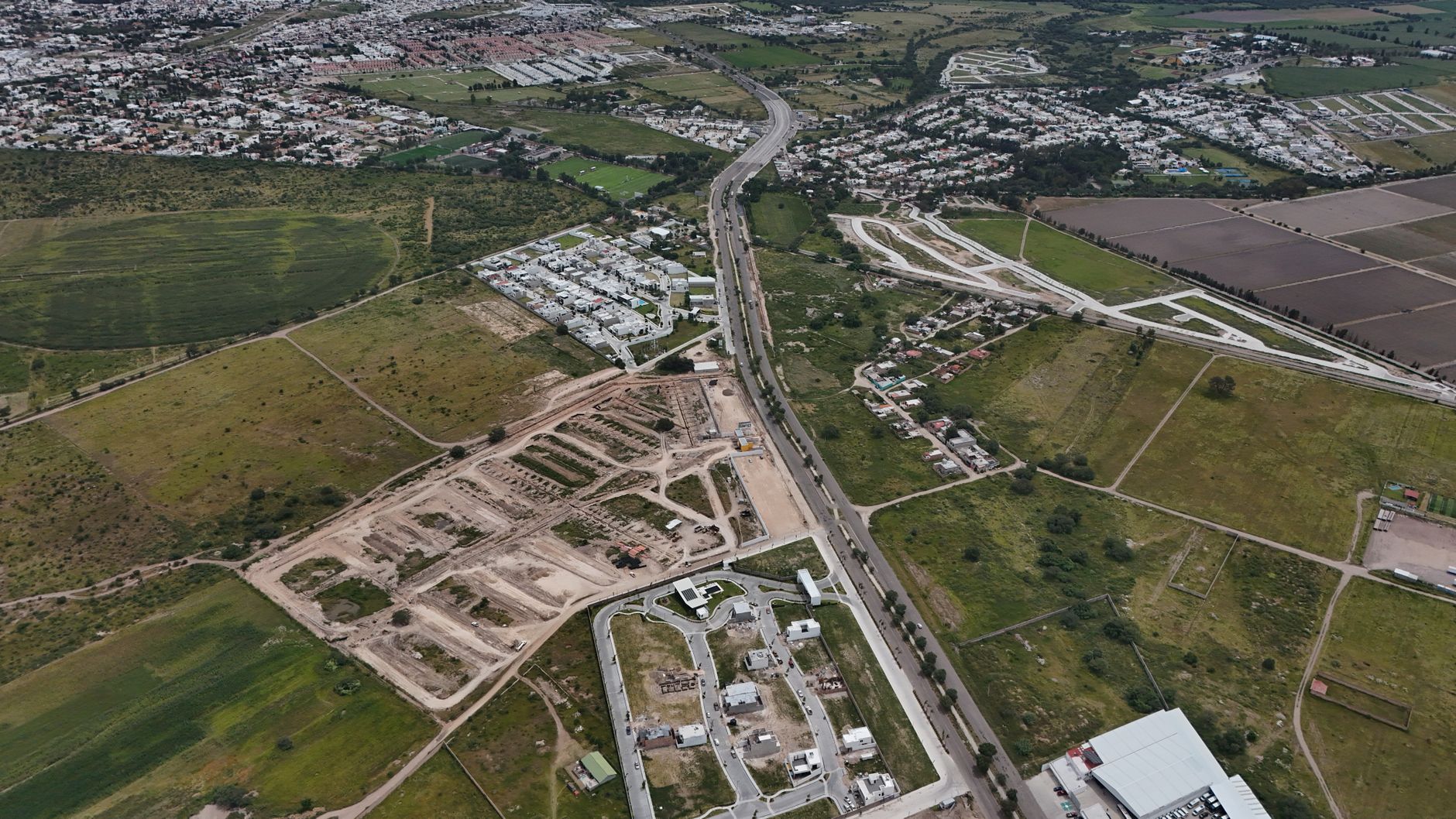
An Encumbrance Certificate (EC) is an official record of the registered transactions and charges on a piece of land over a stated period. For a Dholera plot, a 30-year EC is a core title check: it shows the chain of registered dealings and, importantly, whether any live mortgage, lien or attachment remains on the land. A clean EC over 30 years supports, but does not alone prove, clear title, so it is used together with the 7/12 extract, the mother deed and the chain of registered deeds. The EC only captures registered transactions, so it cannot reveal unregistered claims, which is why a property lawyer's review remains essential. Never pay a token before the EC and the rest of the title trail check out.
Of all the title documents a Dholera buyer should insist on, the Encumbrance Certificate is one of the most misunderstood and one of the most useful. In plain terms, it is the land's transaction history: an official record of the registered dealings and charges on a plot over a stated period. It answers a question every buyer needs answered before paying: is there a live mortgage, lien or attachment sitting on this land that could come back to bite me? A 30-year EC is a core part of confirming that the plot is genuinely free to sell.
Dholera 2047 is independent and neutral. We do not sell plots and this is not legal advice; a property lawyer should carry out and interpret title checks. This entry explains what the EC is, why the 30-year period matters, how to obtain one, and, just as importantly, what a clean EC does and does not prove. It pairs with the title verification guide and the investment checklist.
The honest one-line answer
An Encumbrance Certificate is an official record of the registered transactions and charges on a plot over a stated period, and a 30-year EC is a core Dholera title check because it reveals whether any live mortgage, lien or attachment remains on the land. A clean EC supports clear title but does not prove it alone, since it only captures registered transactions, so it is used with the 7/12, mother deed and deed chain, and with a lawyer's review.
What the EC actually shows
An EC lists the transactions registered against a specific piece of land over the period you request, typically drawn from the sub-registrar's records. For a plot buyer, the two things it helps you see are the chain of registered dealings (sales, transfers and the like) and, critically, any registered charge such as a mortgage, lien or attachment that is still live. A live charge means someone else, often a lender, has a claim on the land, and buying land with an undischarged charge can mean inheriting that liability. A clean EC over the period, showing no subsisting charge, is what you are looking for.
Why 30 years
You can request an EC for different periods, but a 30-year window is the standard the fact pack points to for Dholera title verification, and for good reason. A long period captures the full recent chain of dealings, making it far harder for an old, unresolved claim or a break in the ownership chain to slip through unnoticed. A short EC might look clean simply because it does not reach back far enough. Thirty years is long enough to give real confidence in the recent history of the land, which matters especially in a region like Dholera where land acquisition has a documented litigation history.
How to obtain an EC
In Gujarat, title and land records for Dholera SIR plots are accessed through the state's revenue systems, with registered-transaction records held at the sub-registrar, which for Dholera is the Dhandhuka sub-registrar, and land records available through AnyROR Gujarat. The practical route is:
- Identify the plot precisely by its survey or Final Plot number, area and TP scheme.
- Request an Encumbrance Certificate covering a 30-year period for that plot through the sub-registrar or the applicable state portal.
- Cross-check the EC against the 7/12 extract and the mother deed and chain of registered deeds on AnyROR Gujarat.
- Have a property lawyer read the EC alongside the other title documents and confirm there is no live charge or gap.
- Confirm the position is current, ideally close to the transaction, since charges can change over time.
| Document | What it confirms | Where |
|---|---|---|
| Encumbrance Certificate (30-yr) | Registered charges and dealings | Sub-registrar (Dhandhuka) |
| 7/12 extract | Recorded owner, survey/FP, area | AnyROR Gujarat / revenue records |
| Mother deed + chain | Unbroken ownership history | Registered deed records |
| Tax / revenue receipts | Dues cleared | Revenue authority |
What a clean EC does not prove
This is the part that protects you from false confidence. An Encumbrance Certificate only records registered transactions. It cannot show claims that were never registered, such as certain unregistered agreements, disputes, family or succession claims, or tenancy issues that do not appear in the registered record. So a clean EC is necessary but not sufficient. It is one strong pillar of title verification, not the whole structure, which is why it is always used together with the 7/12 extract, the mother deed and deed chain, tax receipts, and a property lawyer's written opinion. Treating a clean EC as a complete title guarantee is a mistake.
Where the EC fits in the purchase
The EC belongs in the verification stage, before any money moves. Along with the other title documents, it should be checked before you pay a token, and its position confirmed again as current close to executing the sale deed, since charges can be added or discharged over time. In a region where the top documented trap is agricultural land sold without proper status and where acquisition has been litigated, the EC is one of the tools that separates a clean, sellable plot from one carrying hidden baggage. Do not skip it, and do not read it alone.
Use this with the title verification and 7/12 guide, the agreement to sale vs sale deed explainer, and the full investment checklist, ideally with a property lawyer's written opinion.
Frequently asked questions
What is an Encumbrance Certificate for a Dholera plot?
Why should I get a 30-year Encumbrance Certificate?
How do I get an Encumbrance Certificate in Dholera?
Does a clean Encumbrance Certificate guarantee clear title?
When should I check the EC in the buying process?
Dholera 2047. (2026). Dholera Encumbrance Certificate: What It Is and Why 30 Years Matters (2026). Retrieved 23 July 2026, from https://dholera2047.com/dholera-encumbrance-certificate.htmlSources & references
- Dholera 2047 fact pack, 2026: section 9 (title process: verify sale deed, mother deed, 30-year Encumbrance Certificate, 7/12 extract, tax receipts before purchase; confirm no live mortgage/lien/attachment) and section 13 (land-acquisition litigation history)
- Dholera knowledge base, price-and-land-value reference: confirm the 30-year 7/12 chain on AnyROR Gujarat; deeds register at the Dhandhuka sub-registrar
- General Indian property practice: an Encumbrance Certificate records only registered transactions and cannot reveal unregistered claims; use with other title documents and a lawyer's opinion
- Official: AnyROR Gujarat (land records); Dhandhuka sub-registrar (registered transactions)
- Dholera 2047 entries: title verification and 7/12 extract, agreement to sale vs sale deed, investment checklist
Dholera 2047 labels facts by confidence. Figures marked reported or target come from press or announcements and may change; verify anything time sensitive against the official source before acting.