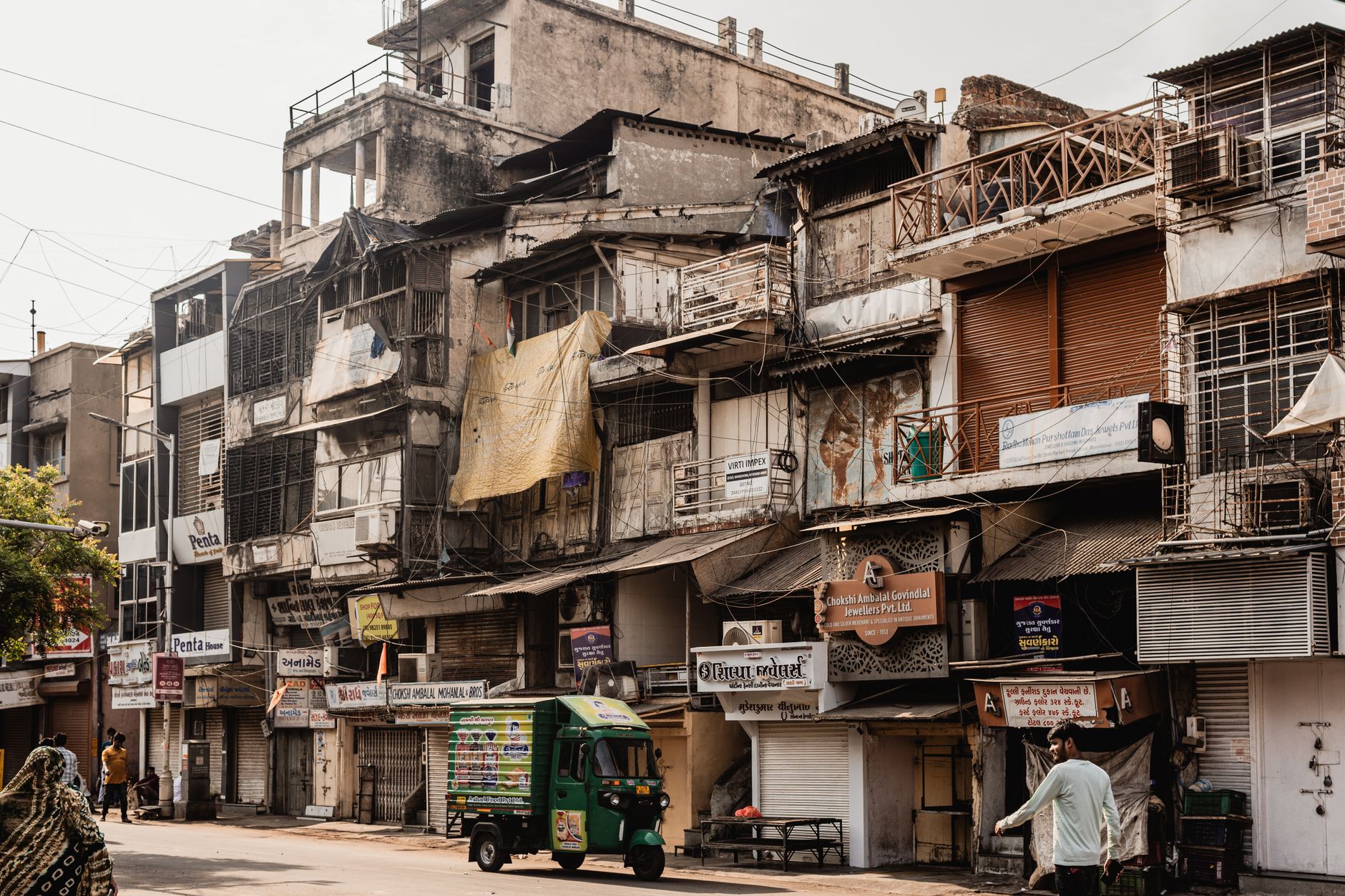
Comparing Dholera with India's established metro cities is really a comparison of two different points on a city's life. Metros such as Mumbai, Delhi, Bengaluru and Ahmedabad are mature, largely built-out markets with deep amenities, liquid property markets and proven job bases, but also high entry prices. Dholera SIR is a greenfield industrial and manufacturing smart city of about 920 sq km on the Gulf of Khambhat coast, built under the Gujarat SIR Act of 2009 as the largest node of the Delhi-Mumbai Industrial Corridor, still in early build-out. The trade-off is straightforward: metros offer maturity and liquidity at a high base; Dholera offers early entry and long-horizon risk.
Investors weighing Dholera against a flat in Mumbai, Bengaluru or Ahmedabad are really comparing two different stages of city life, not two versions of the same thing. A metro is a finished, occupied market you can rent out tomorrow. Dholera is a region being built, where the thesis is about the future, not the present. This entry keeps the comparison neutral and factual. We do not quote metro prices or rankings, because those move constantly and are easy to get wrong; instead we compare the honest structural differences. Every Dholera figure is drawn from verified sources.
Dholera 2047 is an independent intelligence desk. It does not sell plots and does not promote any developer. It exists to help you compare clearly.
The one-line difference
A metro city is mature: built out, occupied, with established jobs, schools, hospitals and a liquid property market, but at a high entry price. Dholera is early: a greenfield industrial smart city of about 920 sq km with only its Activation Area of about 22.5 sq km meaningfully built, offering a low base and long-horizon potential in exchange for real early-stage risk. One is a proven market you buy into; the other is a bet on a city being made.
Maturity and amenities
Metros carry decades of accumulated infrastructure: transit networks, hospitals, universities, retail, offices and a resident population. If you buy there, the city already works. Dholera is building this from scratch. Its Activation Area has trunk infrastructure, underground utilities, a water treatment plant, an internal road network and the ABCD building with an operational city command centre, and connectivity is arriving fast with the expressway reported operational and the airport under construction. But named social infrastructure such as schools and hospitals inside the SIR is still early, and residential habitation is at its beginning. See the smart-city utilities and the connectivity overview.
Liquidity and exit
This is a difference many buyers underestimate. Metro property markets are deep and liquid: there are always buyers and renters, so exit is comparatively easy. An early-stage region like Dholera has a thinner market, and selling a plot can take longer, especially away from the Activation Area. That illiquidity is part of the early-stage trade-off, and it is why a long horizon matters. For exit thinking, see the resale and exit strategy and the rental yield reality.
Purpose and demand engine
Metros are diversified: services, commerce, industry and residential demand all layered over decades. Dholera's demand engine is deliberately industrial, anchored by the Tata Electronics and PSMC semiconductor fab, approved in 2024 with an investment of Rs 91,000 crore and under construction, alongside a solar park with about 300 MW commissioned. That is a narrower, manufacturing-led thesis. It can create jobs and demand as it matures, but it is a bet on a specific industrial future rather than a proven, diversified urban economy. See the industries and sectors.
Side-by-side comparison
| Attribute | Dholera SIR | Established metro cities |
|---|---|---|
| Stage | Early build-out | Mature, largely built out |
| Base price | Low, early-stage (no official rate) | High, established (not quoted here) |
| Amenities | Trunk infrastructure; social infra early | Deep, decades of accumulated amenities |
| Liquidity | Thin, early-stage market | Deep, liquid market |
| Demand engine | Industry, semiconductors, solar | Diversified urban economy |
| Horizon | Long, phased toward 2040 to 2042 | Immediate, already occupied |
| Main risk | Early-stage and timeline risk | High entry cost, lower growth headroom |
What the comparison teaches
The fair takeaway is that this is a risk-and-horizon choice, not a better-or-worse one. Metros offer certainty, liquidity and immediate use at a high price and with less growth headroom. Dholera offers a low base and long-horizon potential with real early-stage risk, including slipping timelines and a thin exit market. Claims of guaranteed appreciation in Dholera are speculative marketing, and no government source guarantees it. For the balanced view, see Dholera investment risks and is Dholera safe to invest in.
Which one fits you
If you want a property you can use or rent immediately in a proven, liquid market, a metro fits, accepting the high entry price. If you are a long-horizon investor comfortable with early-stage risk and thin liquidity, in exchange for a low base in a region being built, Dholera is that kind of play. They are different tools for different goals. For a starting frame, see Dholera for first-time investors.
Frequently asked questions
Is Dholera cheaper than metro cities?
Can I rent out a Dholera plot like a metro flat?
Is it easier to sell in a metro or in Dholera?
Will Dholera grow faster than a metro?
Which is the safer investment?
Should I choose Dholera over a metro?
Dholera 2047. (2026). Dholera vs Metro Cities: Early Greenfield Region vs Mature Urban Markets. Retrieved 23 July 2026, from https://dholera2047.com/dholera-vs-metro-cities.htmlSources & references
- Dholera 2047 Fact Pack, 2026 (~920 sq km, ~422 sq km urban, SIR Act 2009, largest DMIC node, Activation Area ~22.5 sq km, expressway operational, airport under construction, Tata fab Rs 91,000 cr, ~300 MW solar, phased toward 2040 to 2042 as reported)
- Dholera Knowledge Base: price-and-land-value (no official per-unit price; do not present broker ranges as guaranteed)
- Dholera 2047 entries: smart-city utilities, connectivity overview, industries and sectors, resale and exit strategy, rental yield reality, investment risks
- Metro points kept structural and non-numeric; no metro prices or rankings asserted
Dholera 2047 labels facts by confidence. Figures marked reported or target come from press or announcements and may change; verify anything time sensitive against the official source before acting.