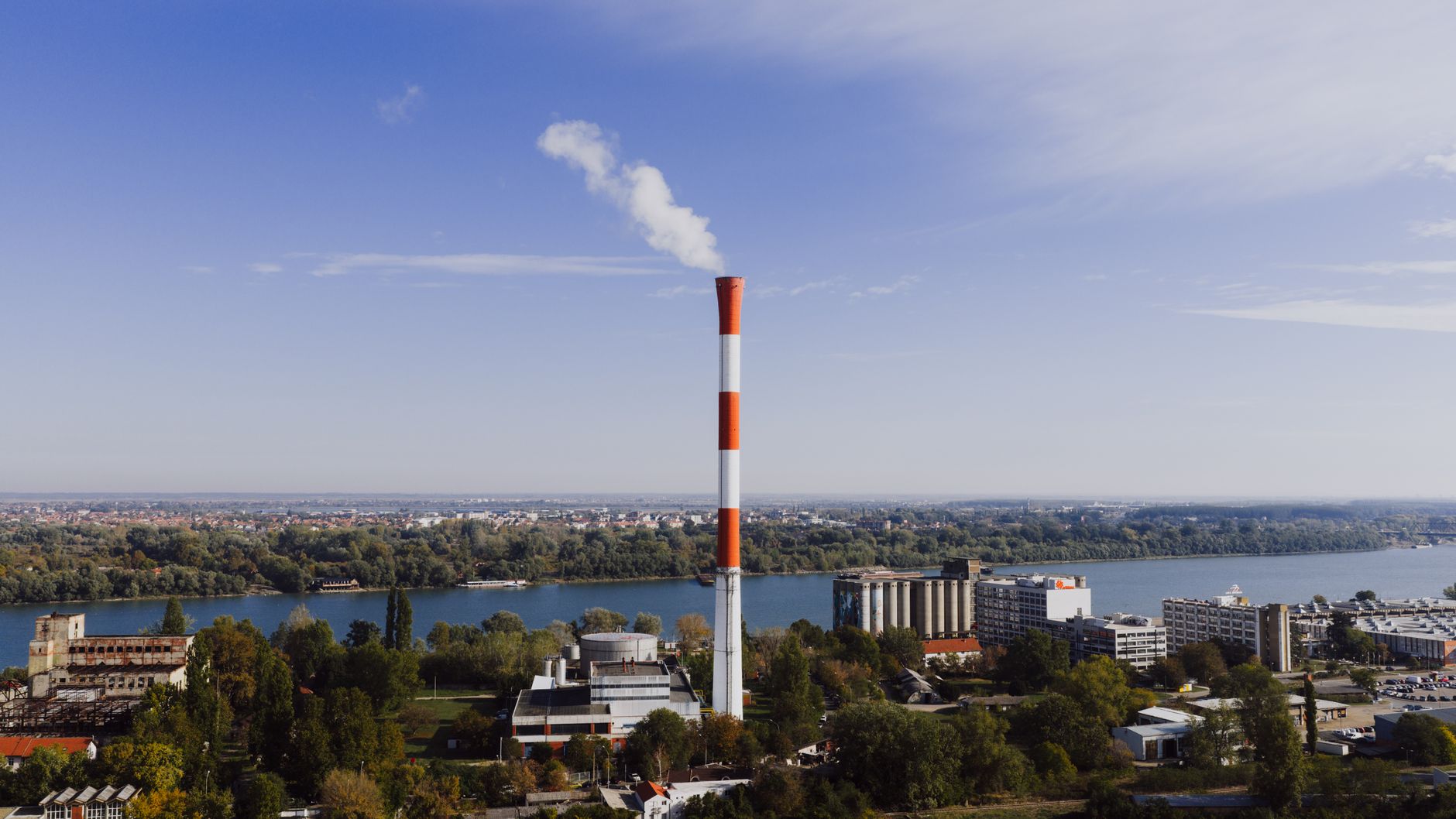
Power is central to Dholera's industrial design, because its heaviest planned tenants, a semiconductor fab and advanced manufacturing, need enormous, uninterrupted, clean electricity. The sourced picture has two solid pieces. First, generation: about 300 MW of solar is commissioned within the Dholera solar park, with a 1,000 MW Phase-I sanctioned and a 5,000 MW long-range target. Second, distribution: the Activation Area was built with underground power lines and ICT ducts, and the ABCD building's command centre monitors the power and lighting network. Specific grid capacity figures such as substation ratings are not reliably sourced, so this page reports the confirmed generation and distribution layer without inventing numbers.
A city built to host a semiconductor fab lives or dies on power. Chip fabrication needs clean electricity with almost no interruptions, and advanced manufacturing is power-hungry across the board. That is why energy runs through so much of Dholera's design, from the solar park to the underground cables in the Activation Area. This page sets out the sourced power picture: what is generated, how it is distributed, and how it is monitored, while being honest about the specific grid figures that are not reliably documented. We report what is confirmed and refuse to invent capacity numbers.
The short answer
Dholera's power story has two solid, sourced parts. On generation, about 300 MW of solar is commissioned within the Dholera solar park, with a 1,000 MW Phase-I sanctioned and a 5,000 MW long-range target. On distribution, the Activation Area was built with underground power lines and ICT ducts, and the ABCD building's Integrated Command and Control Centre monitors the power and lighting network. Detailed grid figures, such as substation capacities, are not reliably sourced, so we do not state them. The honest read is a real solar generation base plus a modern underground distribution layer for phase one.
Generation: the solar base
The generation side is Dholera's strongest power fact, because it is operational. About 300 MW of solar is commissioned within the Dholera Ultra-Mega Solar Power Park, including a 300 MW Tata Power plant that the company describes as India's largest single-axis solar tracker installation. Phase-I is sanctioned at 1,000 MW through Gujarat Power Corporation Ltd, with about 700 MW under development targeted for March 2027, and the ultimate announced target is 5,000 MW by roughly 2030. That places a genuine clean-power base near the industrial zones. For the full detail, see our solar park page.
Distribution: underground and monitored
Generation only matters if power reaches users reliably, and Dholera's distribution design is one of its smart-city selling points. The Activation Area was built with underground utilities, including power lines and ICT or fibre ducts laid alongside the roads. Underground distribution is more resilient to weather and cleaner in the streetscape than overhead lines, and it fits the plug-and-play promise: a plot can connect to services already in the ground. The power and street-lighting network is monitored from the Integrated Command and Control Centre in the ABCD building, which is part of what makes Dholera a genuinely instrumented city rather than only a wired one.
- Underground power lines laid with the Activation Area road network.
- ICT and fibre ducts alongside, for a connected grid and services.
- Street-lighting network monitored centrally.
- ICCC monitoring of power and lighting from the ABCD building.
- Solar generation nearby feeding a clean-power base for industry.
Why the fab drives the design
The clearest way to understand Dholera's power emphasis is the semiconductor fab. A fab cannot tolerate power interruptions, because a single dip can ruin wafers worth a great deal, and it draws very large, steady loads. Designing a region around a fab therefore means prioritising reliable, high-quality power and a distribution network built for heavy industrial demand. This is the same logic that explains the solar park and the heavy investment in trunk utilities: the chip plant, the power and the water systems are best read as parts of one industrial-city design, not separate projects. For the fab itself, see our semiconductor fab page.
| Layer | Detail | Status |
|---|---|---|
| Solar generation | ~300 MW commissioned | Durable, live |
| Solar Phase-I | 1,000 MW sanctioned (GPCL) | Reported |
| Solar target | 5,000 MW by ~2030 | Target |
| Distribution | Underground power lines (Activation Area) | Built |
| Monitoring | Power and lighting via ICCC | Reported operational |
| Substation / grid ratings | Specific capacities | Not reliably sourced |
The honest boundary
As with the rest of Dholera's infrastructure, the built power layer applies mainly to the Activation Area, the roughly 22.5 sq km phase-one zone, which is about 4% of the developable land. The solar generation base is real and regional, but the underground distribution and monitoring described here are phase-one achievements, not a completed grid across the full 920 sq km. That is the honest boundary: a genuine, working power foundation for the first phase, feeding an industrial anchor, with the wider region still to be built out over the coming decades.
Frequently asked questions
How is Dholera powered?
How much power capacity does Dholera have?
Does Dholera have underground power lines?
Why does Dholera focus so much on power?
Is Dholera's power grid fully built?
Dholera 2047. (2026). Dholera Power and Grid Supply: How the City Is Powered. Retrieved 23 July 2026, from https://dholera2047.com/dholera-power-grid-supply.htmlSources & references
- Dholera 2047 Fact Pack (verified July 2026)
- Central Electricity Authority solar-parks report, Sept 2025 (Dholera solar generation)
- DICDL official interview, 2024 (underground power lines, ICT ducts, ICCC monitoring)
- Tata Power / tatapowersolar.com (300 MW Dholera plant)
- Dholera 2047 pillar pages: solar park, semiconductor fab, ABCD building
Dholera 2047 labels facts by confidence. Figures marked reported or target come from press or announcements and may change; verify anything time sensitive against the official source before acting.